The Impact of Viral Buzz News on Social Media Trends
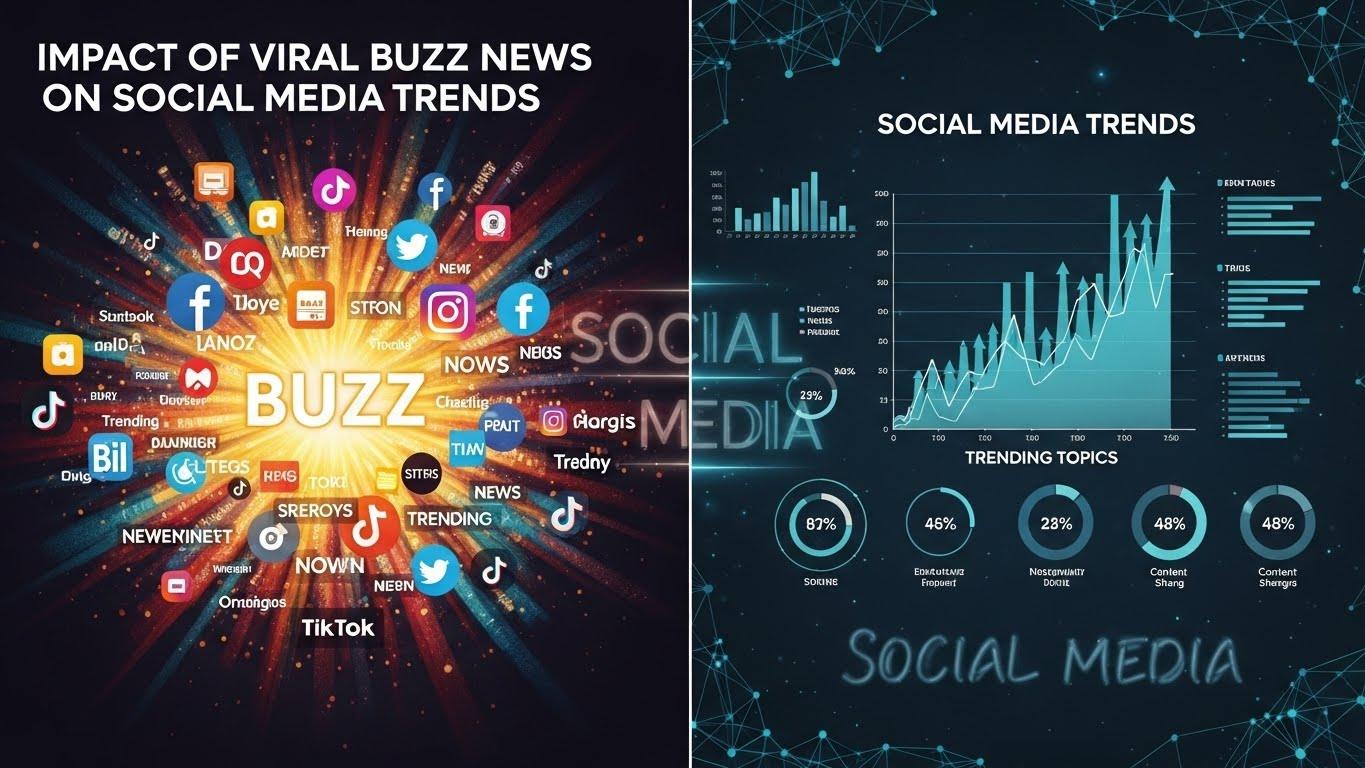
In today’s rapidly evolving digital landscape, viral buzz news has become a powerful force, capable of shaping social media trends and influencing public opinion. As individuals increasingly rely on social media platforms for their daily news consumption, understanding how viral content affects social trends is crucial for marketers, businesses, and consumers alike. This article delves into the dynamics of viral buzz news, examining its impact on social media trends and the broader implications for society.
The Anatomy of Viral Buzz News
Viral buzz news refers to content that spreads rapidly across the internet, capturing the attention of millions in a short period. This phenomenon is often driven by sensational headlines, captivating visuals, or controversial topics that encourage sharing and engagement. Research by Pew Research Center highlights how social media platforms like Facebook, Twitter, and Instagram have become primary channels for spreading viral content, thanks to their vast user base and advanced algorithmic capabilities.
The Role of Algorithms in Amplifying Viral Content
Algorithms play a pivotal role in determining which content goes viral on social media. These complex mathematical models analyze user behavior, preferences, and interactions to curate personalized content feeds. When a piece of content starts gaining traction, algorithms recognize its potential for virality and prioritize it in users’ feeds, further amplifying its reach. This feedback loop can lead to exponential visibility, as more people engage with and share the content.

Moreover, platforms like YouTube and TikTok utilize recommendation systems that suggest viral videos to users, significantly contributing to the content’s spread. Nieman Lab notes that TikTok’s algorithm is particularly effective at identifying and promoting viral trends, fostering a culture of rapid content consumption and dissemination.
How Viral Buzz News Influences Social Media Trends
Viral buzz news can shape social media trends in numerous ways. Firstly, it often dictates the topics of conversation, with users discussing and debating the latest viral stories. This can lead to the creation of new hashtags, memes, and challenges, as individuals engage with the content creatively. For example, the viral “Ice Bucket Challenge” not only raised awareness for ALS but also set a precedent for subsequent social media challenges.
Furthermore, viral buzz news can influence consumer behavior and drive trends in fashion, technology, and lifestyle. When a high-profile celebrity or influencer shares a product or brand, it can quickly become a trend, as fans seek to emulate their idols. This phenomenon is evident in the rise of “influencer marketing,” where brands collaborate with social media personalities to promote their products to a wider audience.
The Broader Implications of Viral Buzz News
While viral buzz news can generate positive social trends and awareness, it also has its drawbacks. The rapid spread of misinformation and fake news is a significant concern, as sensational or misleading content can quickly gain traction and influence public opinion. BBC News reports that platforms are increasingly implementing measures to combat misinformation, such as fact-checking and content moderation, but the challenge remains substantial.
Additionally, the emphasis on sensationalism and clickbait in viral content can lead to a culture of shallow engagement, where users prioritize entertainment over critical thinking. This can result in a superficial understanding of complex issues, as individuals focus on headlines rather than in-depth analysis.
The Responsibility of Social Media Platforms and Users
Social media platforms bear significant responsibility in managing the impact of viral buzz news. They must balance the need for user engagement with ethical considerations, ensuring that their algorithms do not prioritize harmful or misleading content. Initiatives like Facebook’s Third-Party Fact-Checking Program and Twitter’s misinformation labels are steps in the right direction, but ongoing vigilance is required to maintain the integrity of information shared on these platforms.
Users, too, have a role to play in mitigating the negative effects of viral buzz news. By critically evaluating content before sharing, engaging in constructive discussions, and promoting credible sources, individuals can contribute to a more informed and responsible social media environment. The World Health Organization emphasizes the importance of digital literacy and the need for users to develop critical thinking skills to navigate the complex landscape of online information.
Takeaways
The impact of viral buzz news on social media trends is profound and multifaceted, influencing everything from public discourse to consumer behavior. While it offers opportunities for positive engagement and awareness, it also poses challenges in terms of misinformation and superficial content consumption. As social media continues to evolve, both platforms and users must strive to foster a digital environment that prioritizes accuracy, responsibility, and meaningful interaction.
By understanding the dynamics of viral buzz news, stakeholders can harness its potential for positive impact while addressing its challenges, ultimately contributing to a more informed and connected digital society.
Strategies for Brands to Leverage Viral Buzz News
Brands can strategically harness the power of viral buzz news to enhance their visibility and engage with a wider audience on social media. One effective approach is to align with trending topics or viral challenges that resonate with the brand’s identity and values. By integrating relevant trends into their marketing campaigns, brands can increase their relevance and appeal to a broader demographic.
For instance, during the COVID-19 pandemic, many companies adapted their messaging to support public health initiatives, showcasing their commitment to social responsibility. This not only helped build brand loyalty but also positioned these companies as leaders in promoting positive social change. Additionally, brands can collaborate with influencers who are adept at navigating viral trends, leveraging their reach and credibility to amplify their message.
Another strategy involves creating shareable content that encourages user participation and engagement. Interactive campaigns, such as polls, quizzes, or user-generated content contests, can inspire audiences to engage directly with the brand, fostering a sense of community and involvement.
Measuring the Impact of Viral Campaigns
To effectively leverage viral buzz news, brands must measure the impact of their campaigns and adjust their strategies accordingly. Key performance indicators (KPIs) such as engagement rates, reach, and conversion metrics provide valuable insights into the success of a campaign. By analyzing these metrics, brands can identify which types of content resonate most with their audience and refine their approach for future campaigns.
Social listening tools are also invaluable for monitoring brand mentions and sentiment on social media platforms. These tools enable brands to track how viral buzz news influences public perception and identify emerging trends or potential crises in real-time. By staying attuned to the social media landscape, brands can respond swiftly to capitalize on opportunities or mitigate risks.
Moreover, building a robust social media presence across multiple platforms ensures that brands can reach diverse audiences and adapt to platform-specific trends. Each platform has its unique characteristics and user demographics, so tailoring content to fit these nuances is essential for maximizing impact.
Challenges and Ethical Considerations
While the potential benefits of leveraging viral buzz news are significant, brands must navigate several challenges and ethical considerations. The rapid pace of social media trends can make it difficult to maintain authenticity and consistency in messaging. Brands must ensure that their participation in viral trends aligns with their core values and does not come across as opportunistic or insincere.
Furthermore, the risk of backlash or negative publicity is ever-present in the realm of viral content. Controversial or poorly executed campaigns can quickly attract criticism, damaging a brand’s reputation. It is vital for brands to conduct thorough research and engage in thoughtful planning before launching any campaign tied to viral trends.
Ethical considerations also play a crucial role, particularly in the context of misinformation and privacy concerns. Brands must be diligent in verifying the accuracy of the information they share and safeguarding user data to maintain trust and credibility with their audience.
The Future of Viral Buzz News in Social Media
As technology continues to advance, the landscape of viral buzz news and social media trends is likely to evolve. Emerging technologies such as artificial intelligence and machine learning can enhance the ability of platforms to predict and amplify viral content, while also offering new tools for brands to optimize their strategies.
The rise of new platforms and formats, such as live streaming and virtual reality, presents exciting opportunities for creating immersive and engaging experiences that captivate audiences. Brands that stay ahead of these technological advancements and adapt their strategies accordingly will be well-positioned to thrive in the ever-changing digital ecosystem.
Ultimately, the impact of viral buzz news on social media trends underscores the dynamic nature of the digital world. As users, platforms, and brands continue to interact and evolve, the potential for innovation and connection remains limitless. By embracing these changes and approaching them with creativity and responsibility, stakeholders can harness the power of viral buzz news to drive meaningful and impactful social media trends.
About the Author