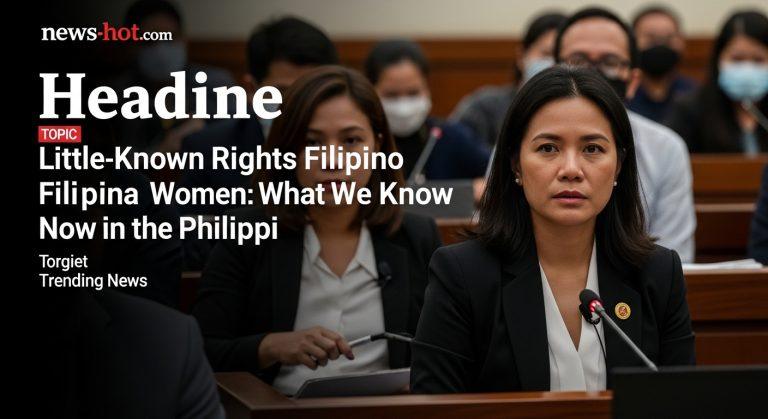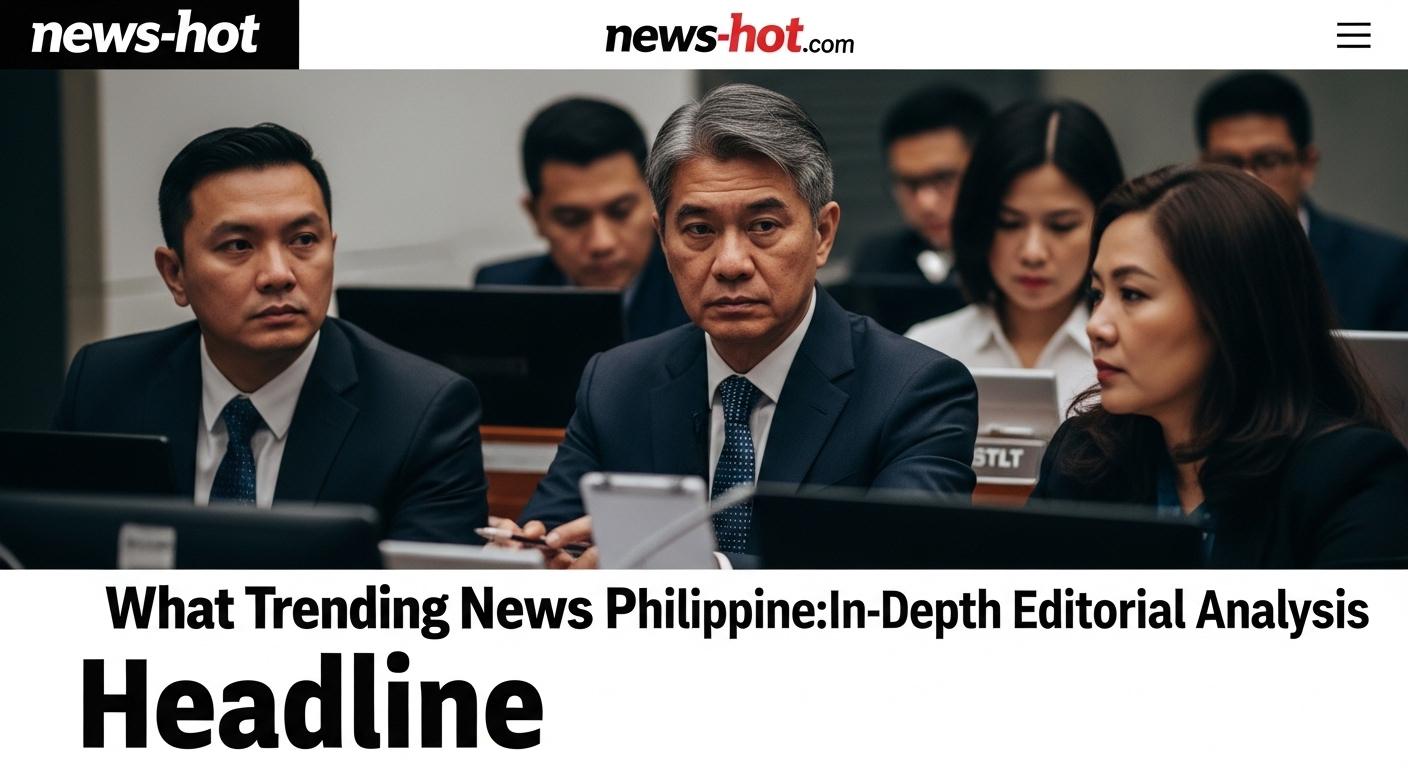
Philippine newsroom evaluating trending news and policy decisions
Updated: April 9, 2026
What Trending News Philippines: In-Depth Editorial Analysis
what Trending News Philippines is shaping how Filipinos interpret events as they unfold online, and this analysis looks at what it reveals about policy, platforms, and public accountability. In a media environment defined by rapid social feeds and algorithmic ranking, audiences increasingly expect not just speed but clarity, verification, and context. This piece dissects that dynamic, offering a grounded, practical view of what it means for publishers, policymakers, and readers across the archipelago.
Policy, Platforms, and the News Cycle
The Philippine government has floated or implemented several initiatives aimed at aligning the country’s technology policy with growing digital information flows. A program widely cited in coverage, often described in forums as NAICRI, is presented as a move to harmonize the Philippines’ AI efforts across agencies and sectors. For newsrooms, this signals a potential shift in how automated content and data-driven storytelling are governed, from machine-assisted drafting to disclaimers about synthetic content. In practical terms, editors may face new compliance standards, data provenance checks, and clearer rules on using AI-assisted tools when covering fast-breaking trends. The result could be less friction in cross-agency data-sharing and more accountability in what sources are used to back a story, though it may also constrain experimentation in real-time coverage.
Fact-Checking as Public Service
Fact-checking remains a central pillar of credible coverage as online conversations surge with viral clips and rumor. Philippine outlets, including prominent local organizations, have built stronger verification workflows to keep pace with trends without sacrificing accuracy. The role of fact-checking is not only to debunk false claims but to illuminate how misinformation travels—whether through miscaptioned videos, misattributed quotes, or outdated statistics. As platforms rank content by engagement, independent teams that publish clear corrections and provide source context help restore trust. This dynamic matters deeply for readers who rely on trustworthy local reporting to navigate daily updates about politics, public health, and economics.
Digital Culture and the Bebot Phenomenon
Global digital culture influences the Philippines as much as any country, and current coverage of trends like the bebot phenomenon on TikTok demonstrates how stylistic formats shape information consumption. Bebots—content creators who adopt a robotic or stylized speech persona—can make complex topics more accessible, yet they can also risk oversimplification if not paired with factual context. For Philippine audiences, this means that trend reporting must couple entertainment with explanation: what a clip does, why it matters, and how to verify the underlying claim. The connection between social aesthetics and substantive reporting is not a luxury; it is a practical necessity for audience retention and civic understanding.
Implications for Local Reporting and Media Literacy
The trend-driven news cycle places a premium on local relevance. Philippine editors are increasingly balancing national conversations with regional voices, multilingual reporting, and partnerships with community media to ensure coverage reaches diverse audiences. Beyond newsroom practices, the moment also calls for expanded media literacy in schools, libraries, and civil society—teaching audiences how to verify sources, assess platform bias, and distinguish between opinion and fact. In practical terms, this means publishers should publish source links, publish corrections promptly, and adopt transparent editorial standards that Barangays, universities, and local governments can reference as a baseline for trustworthy reporting.
Actionable Takeaways
- Newsrooms: formalize AI-usage policies, add source provenance notes to stories, and implement rapid corrections when viral claims prove inaccurate.
- Policymakers: fund and monitor media literacy initiatives, and encourage cross-agency data-sharing that improves verifiability without chilling journalistic innovation.
- Platforms: publish clear guidelines for automated content, provide robust fact-checking integrations, and prioritize verifiable signals over engagement alone.
- Educators and libraries: integrate practical verification exercises into curricula and community programs to boost everyday critical thinking about trending content.
- Readers: cultivate skepticism and verify claims across multiple sources before sharing, especially on fast-moving topics with political or health implications.
Source Context
Actionable Takeaways
- Track official updates and trusted local reporting.
- Compare at least two independent sources before sharing claims.
- Review short-term risk, opportunity, and timing before acting.