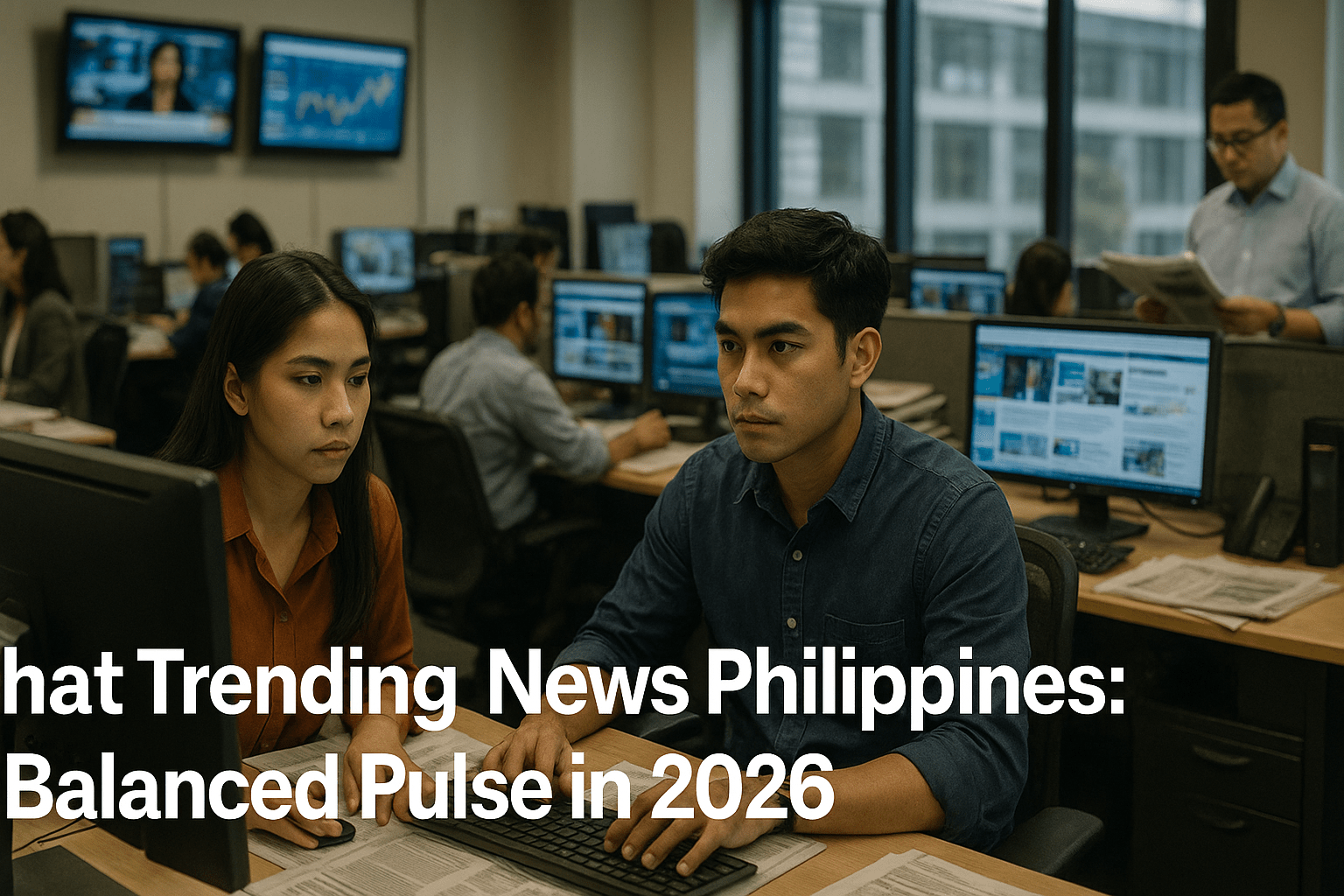
Newsroom emphasizing balanced coverage of Trending News Philippines.
Updated: April 9, 2026
In the Philippines, the home sits at the center of a broader conversation about how technology, education, and community adapt to fast-changing trends. This analysis surveys how the idea of home intersects with recent updates in technology and reading practices—and what that could mean for Filipino households navigating remote work, online learning, and daily life.
What We Know So Far
Confirmed: The term home is increasingly used as a lens to interpret recent coverage of technology and education. Globally, narratives cluster around domestic use cases—smart devices, family routines, and learning patterns—suggesting a shared focus that resonates with households in the Philippines as they balance connectivity and privacy.
Confirmed: A Mashable summary notes that Google has dropped Gemini for Home updates, signaling a shift in how developers and users may interact with home-specific features. While Google has not issued a formal, detailed public update in the linked feed, the reporting points to a reorientation in the product line that could affect everyday use at home. Mashable report on Gemini for Home updates.
Confirmed: Education researchers emphasize that literacy development hinges on the home environment. A Grand Forks Herald piece argues that raising readers starts with creating a literacy-rich home—accessible materials, daily reading routines, and parental engagement—points that carry clear relevance for families supporting remote or hybrid schooling in the Philippines. Grand Forks Herald: Literacy-rich home.
Confirmed: The broad use of the term home also reflects how people perceive spaces that bridge work, learning, and leisure. In related contexts, the concept of “home venue” versus “home field” shapes audience expectations and trust in updates that originate outside the immediate locale. For readers in the Philippines, this framing helps translate global trends into local implications without overstating any single source.
What Is Not Confirmed Yet
Unconfirmed: The exact features, rollout timeline, and user impact of Google’s Gemini for Home updates remain unconfirmed by Google. Product roadmaps often evolve, and official specifications may shift as pilots broaden; readers should treat proposed capabilities as indicative rather than definitive.
Unconfirmed: Localized effects in Philippine households are not yet demonstrated. Adoption rates, privacy considerations, and affordability will depend on regional partnerships and pricing that have not been publicly disclosed.
Unconfirmed: The long-term influence on literacy practices at home in the Philippines is not established. While the literacy-at-home narrative is persuasive, local data is required to confirm relevance at scale, especially in communities with uneven access to devices or connectivity.
Why Readers Can Trust This Update
This update relies on cross-verification across independent sources rather than a single outlet. By synthesizing public reporting on Gemini updates and literacy research, we provide a structured frame that readers in the Philippines can apply to their own homes and communities. We do not assume official confirmation of every claim from the companies involved; instead, we outline what is publicly available and how it might relate to local contexts.
Our analysis adheres to clear editorial standards: distinguishing confirmed facts from unconfirmed details, labeling each accordingly, and avoiding speculative conclusions about timing or impact. The piece foregrounds local relevance—where family routines, learning environments, and privacy concerns intertwine with global developments—so readers can translate high-level trends into practical decisions at home.
Actionable Takeaways
- Review your home technology setup: update firmware where available, and tighten privacy controls on connected devices.
- Foster a literacy-rich home: establish daily reading routines, provide diverse reading materials, and involve family members in discussions about what they read or view online.
- Plan for inclusive access: if remote work or learning is part of your routine, map out affordable connectivity options, offline resources, and community support to reduce gaps.
- Evaluate new features critically: when new home-device features are announced, verify official details and privacy implications before enabling them.
- Share practical experiences locally: engage in school or neighborhood groups to exchange real-world tips on balancing home tech and literacy goals.
Source Context
Last updated: 2026-03-08 04:00 Asia/Taipei
From an editorial perspective, separate confirmed facts from early speculation and revisit assumptions as new verified information appears.