Where Trending News Philippines Shapes Public Discourse
Updated: April 9, 2026
In the Philippines, where Trending News Philippines often sets the tempo for online conversation, readers are watching how rumors, leaked clips, and unverified posts move from feeds to real-world consequences.
Context and Confidence in Online Narratives
Public discussion on entertainment topics is increasingly fast and porous. Local audiences consume content across platforms that blend news, gossip, and promotional material. When a clip goes viral, it can prompt immediate responses from fans, brands, and authorities alike. This dynamic creates a feedback loop: sensational posts generate engagement, algorithms push more of the same, and smaller outlets chase the same clicks to stay relevant. In this environment, trust becomes a scarce resource. People ask not only whether a claim is true, but who benefits from its spread and what norms govern its sharing. The Philippines is a multilingual media landscape where content can move between English, Filipino, and regional languages in minutes, further complicating verification. The upshot is that the question of veracity is less a binary verdict and more a spectrum of credibility that shifts with context, platform, and audience expectations.
For observers and reporters, the task is to map how a rumor originates, how it propagates through timelines, comments, and shares, and how it may evolve into a public incident. This requires looking beyond the headline to the network of sources, the timing of posts, and the geographic reach of a message. In this sense, the phenomenon is less about individual missteps and more about a system that amplifies signals based on emotion and identity. For readers, the challenge is to cultivate a personal checklists that keeps curiosity tethered to accountability rather than to sensational immediacy.
Platform Dynamics and Media Literacy
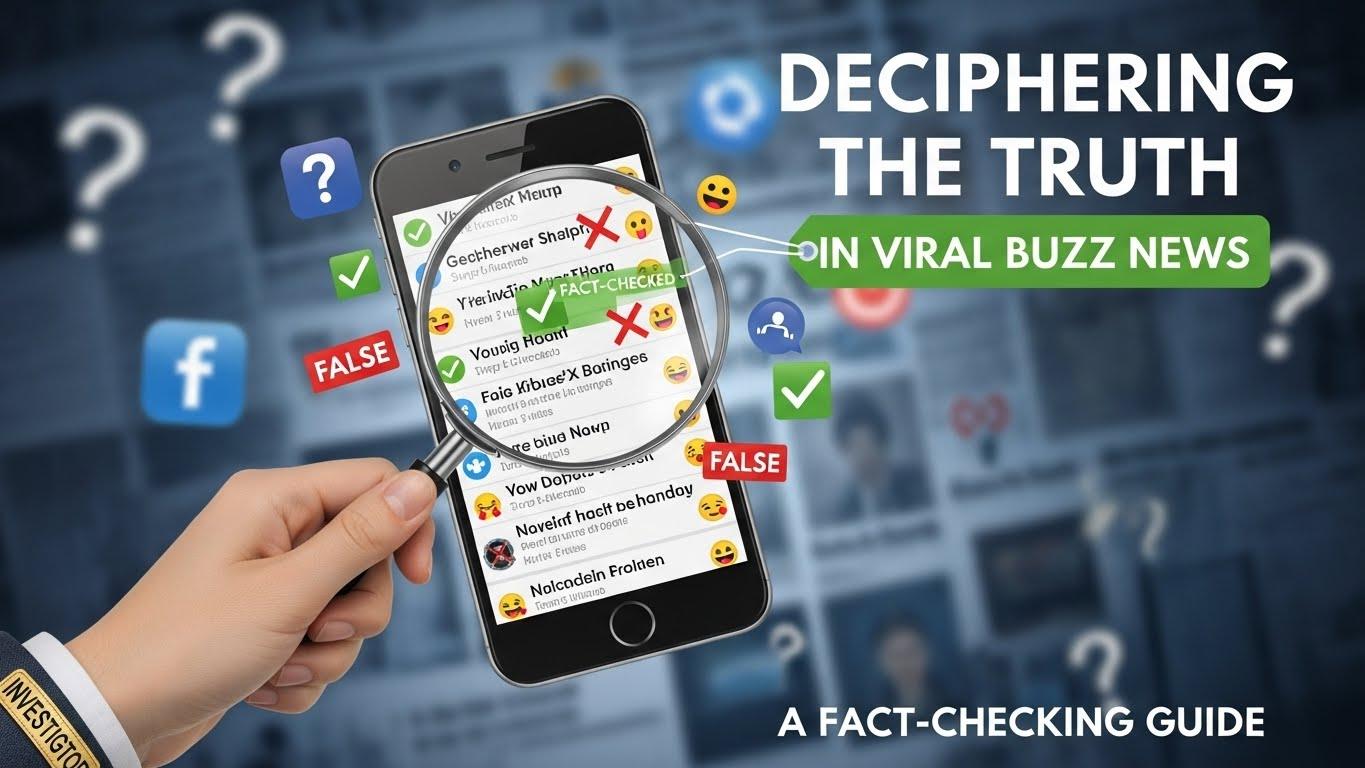
Platform designers profit from engagement, and engagement often equals exposure to controversial or emotionally charged content. In the Philippines, where Facebook, TikTok, and short-form video dominate mobile consumption, a single clip can bypass traditional gatekeepers and reach tens of thousands within hours. The same mechanism that spreads useful information can also amplify misinformation, because misrepresentations often come with clear visuals and compelling narratives. This creates a critical imperative for media literacy: learners must learn to identify the signals of credibility, such as corroboration from independent outlets, raw footage provenance, and the absence of editing that changes meaning. Fact-checking partnerships, careful sourcing, and clear labeling of contested content help, but they require time and transparency—luxuries that online timelines seldom provide. For policymakers and educators, the challenge is to translate these practices into everyday habits, especially among younger audiences who may rely primarily on friend circles for news rather than established outlets.
Additionally, language and cultural nuance matter. A claim framed in a local dialect or anchored to regional experiences may be dismissed by national outlets yet resonate powerfully in its home communities. The risk is fragmentation rather than unity: without a shared baseline of facts, public discourse splinters into micro communities with divergent understandings of reality. The question for stakeholders is not only how to debunk a false claim but how to design information ecosystems that reward accuracy and civil discourse across linguistic and cultural boundaries.
Policy, Law, and Public Accountability
Legal frameworks in the Philippines establish boundaries on defamation and cyber content, which intersect with how online reputation is managed in the public square. While courts and regulators cannot examine every post in real time, they set norms that discourage reckless or malicious dissemination. This is especially relevant during crises or sensitive events when misinformation can erode trust and hinder effective response. Journalists and platforms alike must balance the public’s right to know with individuals’ right to due process. Clear disclaimers, transparent corrections, and visible sourcing are practical tools that reduce risk. In practice, the most durable protection against harm is a culture of accountability: outlets that acknowledge errors promptly, platforms that label uncertain content, and readers who approach claims with disciplined skepticism rather than reflexive outrage. As digital life intertwines with public life in the Philippines, legal and normative frameworks will continue to shape how quickly a rumor can become a consequence and who bears responsibility for its spread.
Regional Pulse: Philippines-Specific Impacts
The Philippines’ digital ecosystem is deeply interwoven with social and communal ties. Rural and urban communities alike rely on instant communication channels for everything from entertainment to disaster advisories. This connectivity makes the country especially vulnerable to rumor-driven volatility, but it also offers unique opportunities for rapid fact-checking and community verification. Local journalists, educators, and civil society groups have started experimenting with digestible explainers, multilingual content, and verified trackers that map the provenance of popular claims. When trusted local voices participate in the verification process, the credibility of online information improves, and the public becomes more resilient to manipulation. Conversely, when credible outlets hesitate or when verification lags, misinformation can spread unchecked, with consequences for public health, consumer behavior, and civic engagement. The balancing act is to preserve freedom of expression while strengthening the norms and systems that reward accuracy, especially in times of political or social tension.
Actionable Takeaways
- Verify claims with multiple independent outlets before sharing, especially when a clip or post targets public figures or sensitive topics.
- Cross-check provenance and seek primary sources or original footage if available; beware altered or cropped clips that change meaning.
- Pause before reacting on social feeds; avoid amplifying posts that rely on shock value without context.
- Use fact-checking resources and official communications to corroborate information, and note any corrections from credible outlets.
- Encourage responsible reporting among peers and foster discussions that prioritize accuracy over sensationalism.
Source Context
For background on the broader media landscape and discussions around video scandals in entertainment, consult the following sources.
Actionable Takeaways
- Track official updates and trusted local reporting.
- Compare at least two independent sources before sharing claims.
- Review short-term risk, opportunity, and timing before acting.